
Terrenos Expropiados Hace Décadas: Tu Derecho Sigue Vivo
Si tu padre, madre, abuelo o bisabuelo tenía tierra que el Estado tomó —con expropiación formal o sin ningún proceso— todavía hay una compensación que puede reclamarse.
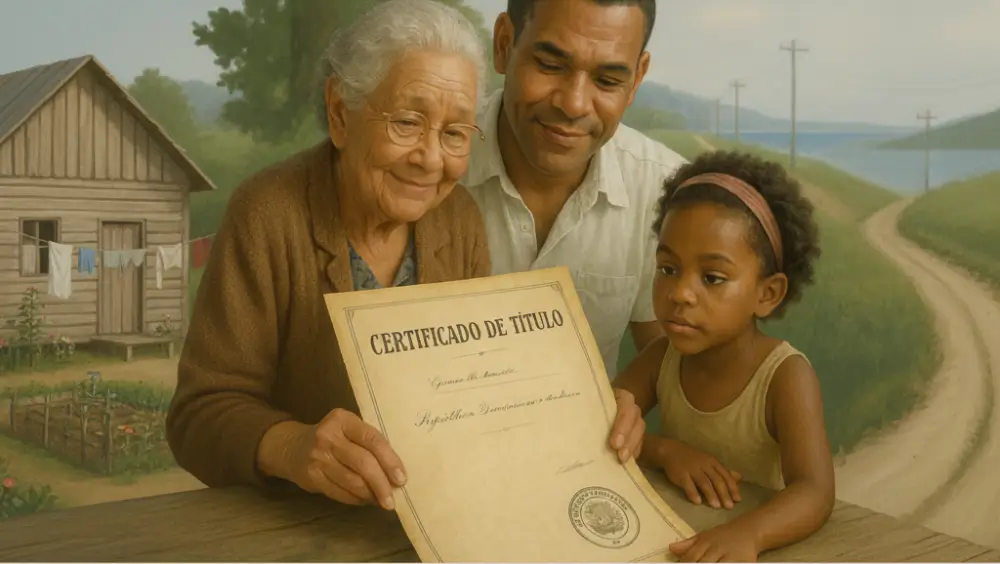
En República Dominicana miles de familias tenían terrenos de sus padres, madres, abuelos o bisabuelos que el Gobierno expropió, ocupó o utilizó para carreteras, escuelas, hospitales, cuarteles, parques, acueductos, canchas, presas, proyectos comunitarios o para dividir propiedades con vías y servidumbres de paso, pero nunca se pagó lo que corresponde.
Muchos de esos terrenos quedaron en manos del Estado sin que la familia recibiera la indemnización justa.
Lo que muchos no saben es que:
- La Constitución protege el derecho de propiedad.
- Ese derecho no prescribe.
- No se borra con los años.
Aunque hayan pasado décadas desde que el Gobierno tomó la tierra, el derecho de la familia sigue vivo. Lo importante es investigarlo con un equipo que sepa cómo reclamarlo.
¿Cómo saber si tu familia puede reclamar?
Si en tu familia alguien ha dicho alguna de estas frases, hay indicios claros de una expropiación u ocupación no pagada:
- "En ese solar hicieron una escuela."
- "La carretera pasó por el terreno de papá o mamá."
- "Ahí hicieron un parque o una cancha."
- "Ese pedazo lo cogió el Gobierno y nunca pagaron."
- "Ese terreno era del abuelo o bisabuelo."
- "La propiedad quedó partida en dos por una calle nueva."
- "Ahí hicieron un destacamento, un hospital o un proyecto público."
- "Eso quedó en manos del Estado desde los tiempos de tus padres o abuelos."
Si identificas alguna de estas situaciones, vale la pena investigar si existe una compensación pendiente.
¿Qué pasa si sí hay una expropiación no pagada?
Si se confirma que:
- El terreno era de tu padre, madre, abuelo o bisabuelo, y
- El Estado lo expropió u ocupó sin indemnización completa,
Entonces puede existir una compensación económica pendiente de cobro.
Los montos varían según:
- Tamaño del terreno
- Ubicación
- Tipo de obra pública
- Valor actual de la zona
- Área afectada: total o parcial
En muchos casos, las compensaciones alcanzan decenas de millones de pesos.
Modelo de Costos
Cuota litis: Solo cobramos honorarios si la familia cobra. En caso de familias vulnerables, podemos discutir esquemas especiales (adelanto de gastos, etc.).
Nuestra Experiencia
Hemos trabajado en:
- Expropiaciones antiguas y recientes, justiprecios
- Ocupaciones hechas sin pago
- Reclamaciones frente al Estado
- Reconstrucción de expedientes de décadas anteriores
- Conflictos de tierras complejos
- Casos donde obras públicas dividieron u ocuparon propiedades familiares
Tenemos múltiples casos de éxito donde familias que pensaban haberlo perdido todo fueron debidamente recompensadas.
¿Cómo empezar?
Solo necesitamos:
- El nombre del padre, madre, abuelo o bisabuelo,
- La zona aproximada del terreno,
- Cualquier historia o detalle familiar/documentos a mano.
Con eso iniciamos la investigación. Si hay caso, lo seguimos; si no lo hay, lo decimos con claridad.
Consulta gratuita
Tu familia no perdió su derecho. Solo necesita que alguien lo haga valer. Si tu padre, madre, abuelo o bisabuelo tuvo tierra que el Gobierno expropió u ocupó sin pagar, puede haber una compensación esperando desde hace décadas.
"El derecho de propiedad es inviolable. Nadie puede ser privado de su propiedad sino por causa justificada de utilidad pública o interés social, previo pago de su justo valor." - Constitución Dominicana